Source 1160mm max rim tyre changer for garages, workshops, and fleets
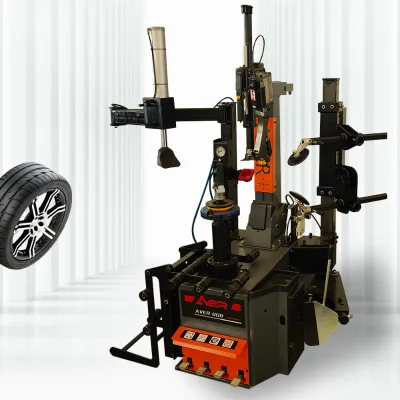
Compare 30 listings for the 1160mm max rim tyre changer to find suitable units for tire service centers, automotive repair shops, and fleet maintenance operations. Buyers can review specifications like motor power, clamping ranges, and operating pressure to select the right equipment.
Key considerations
Products List




Comprehensive Sourcing Guide
1160mm Max Rim Tyre Changer Sourcing Guide
Selecting the right tyre changer is a critical decision for any automotive service center, balancing throughput, safety, and versatility. The core keyword "1160mm max rim tyre changer" points to a specific class of equipment designed to handle a wide range of wheel diameters, typically covering the standard passenger car and light truck market. Buyers must understand that while the maximum rim diameter is a key specification, it is only one part of a complex equation involving clamping mechanisms, power sources, and structural integrity. This guide provides evidence-based procurement advice to help buyers navigate the market, verify technical claims, and ensure long-term operational reliability without relying on unverified marketing assertions.
The procurement landscape for tyre changers is diverse, with manufacturers offering everything from manual, low-cost units to fully automatic, high-speed machines. Understanding the distinction between these categories is essential before initiating a sourcing campaign. Buyers should focus on machines that align with their specific service volume and the types of vehicles they encounter daily. For instance, a high-volume urban workshop may require a fully automatic unit with pneumatic or electric power sources to maximize efficiency, whereas a specialized off-road shop might prioritize robust bead-breaking force over speed. This guide will help you filter through the noise and identify suppliers who provide transparent, verifiable data.
Product Scope and Observed Listing Signals
The market for tyre changers exhibits a wide range of pricing and specifications, reflecting the diversity of manufacturing capabilities and target markets. Observed listing prices for these machines can range from approximately $1 to $6,500 USD, a variance that often correlates with the level of automation, build quality, and included features. Buyers should be cautious of listings that appear significantly below the market average, as they may indicate lower-grade materials, missing safety features, or incomplete documentation. Conversely, higher-priced units often include advanced features such as inside clamping, variable speed turntables, and enhanced warranty coverage, which can justify the investment for high-throughput environments.
Observed Minimum Order Quantities (MOQ) for these machines typically range from 1 to 2 pieces, indicating that most suppliers are willing to sell single units to individual workshops or small fleets. This low MOQ flexibility is beneficial for buyers who need to test a single unit before committing to a larger fleet purchase. However, buyers should also pay attention to the packaging and shipping dimensions, as these can significantly impact logistics costs. For example, some units are packed in wooden cartons with dimensions around 12101010180mm, while others may have larger single package sizes, such as 125X105X185 cm, which requires careful planning for warehouse storage and delivery.
Technical Specifications to Verify
When evaluating a tyre changer, the maximum rim diameter is a primary specification, but it must be considered alongside other critical technical parameters. The observed data indicates that many machines support rim sizes from 12" to 30", with some models claiming a maximum rim diameter of up to 41". Buyers should verify the actual clamping mechanism, as outside clamping typically supports rims from 11-24", while inside clamping can accommodate larger rims, such as 13-26". Inside clamping is generally preferred for modern vehicles with delicate alloy wheels, as it reduces the risk of rim damage during the changing process.
Power source and motor power are also key differentiators among tyre changers. The market offers both pneumatic and electric models, with motor powers ranging from 0.55kw to 1.5hp. Pneumatic machines often require a compressed air supply with an operating pressure of 0.8-1Mpa or 8-10bar, while electric models may support various voltage inputs, including 110v, 220v, and 380v. Buyers should ensure that their workshop infrastructure can support the required power source. Additionally, the turntable speed, often observed at 6.5rpm or 7rpm, impacts the overall efficiency of the tyre changing process, with faster speeds reducing labor time per unit.
Compliance and Safety Documentation
Safety and compliance are non-negotiable aspects of tyre changer procurement, especially given the high forces involved in bead breaking and rim clamping. Buyers should insist on machines that carry recognized certifications such as CE, ISO, and GS. These certifications indicate that the equipment has been tested against specific safety and quality standards, reducing the risk of accidents and ensuring a baseline level of manufacturing quality. The absence of such certifications should be a red flag, as it may indicate that the machine has not undergone rigorous safety testing.
Noise levels and operational safety features are also critical considerations. Observed data suggests that many modern tyre changers operate with a working noise level of less than 70dB(A), which is important for maintaining a comfortable and compliant working environment. Buyers should also verify the bead breaker force, with some models offering up to 3000kg of force, which is necessary for handling stubborn or large tyres. Additionally, the warranty period, often observed at 18 months, provides a layer of protection against early failures, but buyers should clarify what components are covered and the process for claiming warranty service.
Cost Drivers and Commercial Terms
The total cost of ownership for a tyre changer extends beyond the initial purchase price, encompassing installation, maintenance, and potential downtime. Buyers should consider the weight of the machine, as heavier units, such as those with a gross weight of 430.0 kg, may require more robust flooring and specialized handling equipment for installation. The net weight, often around 210 kg, also impacts shipping costs, which can vary significantly depending on the origin and destination. Buyers should request detailed shipping quotes to avoid unexpected logistics expenses.
Commercial terms, including payment methods and delivery times, should be clearly defined in the purchase agreement. While observed MOQs are low, buyers should negotiate for bulk discounts if they plan to purchase multiple units. Warranty terms are a significant cost driver, with longer warranties often commanding a higher upfront price but providing better long-term value. Buyers should also inquire about the availability of spare parts and the supplier's support for technical issues, as downtime can be costly for busy service centers.
Supplier Qualification and Quality Control
Verifying the supplier's credibility is a crucial step in the sourcing process. Buyers should look for suppliers who provide detailed product specifications, including model numbers, dimensions, and power requirements. The observed data indicates that many suppliers are based in China, with specific origins such as Liaoning, which may have implications for shipping times and logistics. Buyers should request evidence of the supplier's manufacturing capabilities, such as factory audits or video tours, to ensure that they are dealing with a legitimate manufacturer rather than a middleman.
Quality control measures should be a key part of the supplier evaluation. Buyers should ask about the testing procedures used for each machine before shipment, including checks for electrical safety, pneumatic integrity, and mechanical functionality. Suppliers who provide a certificate of conformity or a test report for each unit demonstrate a higher level of quality assurance. Additionally, buyers should check the supplier's reputation through customer reviews and industry references, as this can provide valuable insights into their reliability and after-sales support.
Long-Term Procurement Checks
Long-term procurement success depends on the supplier's ability to provide consistent quality and support over time. Buyers should establish a clear communication channel with the supplier for ongoing technical support and spare parts ordering. The observed warranty period of 18 months is a good starting point, but buyers should negotiate for extended warranty options or service contracts that cover regular maintenance and repairs. This proactive approach can help minimize downtime and extend the lifespan of the equipment.
Regular performance monitoring is also essential for ensuring that the tyre changer continues to operate efficiently. Buyers should track key performance indicators such as the average time taken to change a tyre, the frequency of maintenance interventions, and the rate of rim damage incidents. If these metrics deteriorate over time, it may indicate a need for more frequent maintenance or a replacement of worn components. By maintaining a detailed log of these metrics, buyers can make data-driven decisions about their equipment fleet and supplier relationships.
FAQs
What is the maximum rim diameter for this tyre changer?
The maximum rim diameter is 41 inches, which exceeds the 1160mm requirement. Some models support up to 1100mm tire diameter with a working disc speed of 7rpm for efficient operation.
Can I find a pneumatic tyre changer with vertical structure?
Yes, pneumatic tyre changers with vertical structure are available. These units typically operate at 0.8-1Mpa pressure and feature automatic functionality for streamlined tire mounting and dismounting processes.
Which certifications are standard for these tyre changer machines?
Standard certifications include GS, CE, and ISO for safety and quality assurance. These machines are designed to meet international standards while ensuring reliable performance in various workshop environments.
How much does a full automatic tire changer machine cost?
Prices range from 1 to 6500 USD depending on the specific model and configuration. The minimum order quantity is typically 1 piece, allowing for flexible procurement of single units.
What is the operating pressure required for the bead breaker?
The operating pressure ranges from 0.8 to 1Mpa or 8-10 bar for optimal performance. The bead breaker force can reach up to 3000kg to handle various tire sizes effectively.
Can the machine handle tires with a width of 13 inches?
Yes, the machine can handle tires with a maximum width of 13 inches. It supports rim sizes from 12 to 30 inches and offers inside clamping up to 26 inches for versatility.
What is the warranty period for the automatic tyre changer?
The warranty period is 18 months for the automatic tyre changer. This coverage ensures protection against defects and provides peace of mind for buyers investing in new equipment.